Resiliency and Resistance in the Second Age of Trump
In this year’s first magazine, I wrote about the existential threat that the newly inaugurated Trump Administration posed to our democracy. I highlighted how the white Christian Nationalist movement and its oligarch backers spent millions of dollars and countless hours maximizing their ability to use the machinery of government to enact their agenda—and carry out their campaign of retribution. And I urged our community to resist these anti-constitutional attacks on free speech, due process, civil rights, and basic decency.
Out of necessity, that resistance has taken a variety of forms during the early days of this administration. Whether it is in direct litigation against the federal government, lobbying and action alerts targeting members of Congress, or state-level advocacy—opposing destructive Christian Nationalist policies or advancing our own positive legislative agenda—much of that resistance, particularly that undertaken by organizations like ours, is squarely in the policy arena.
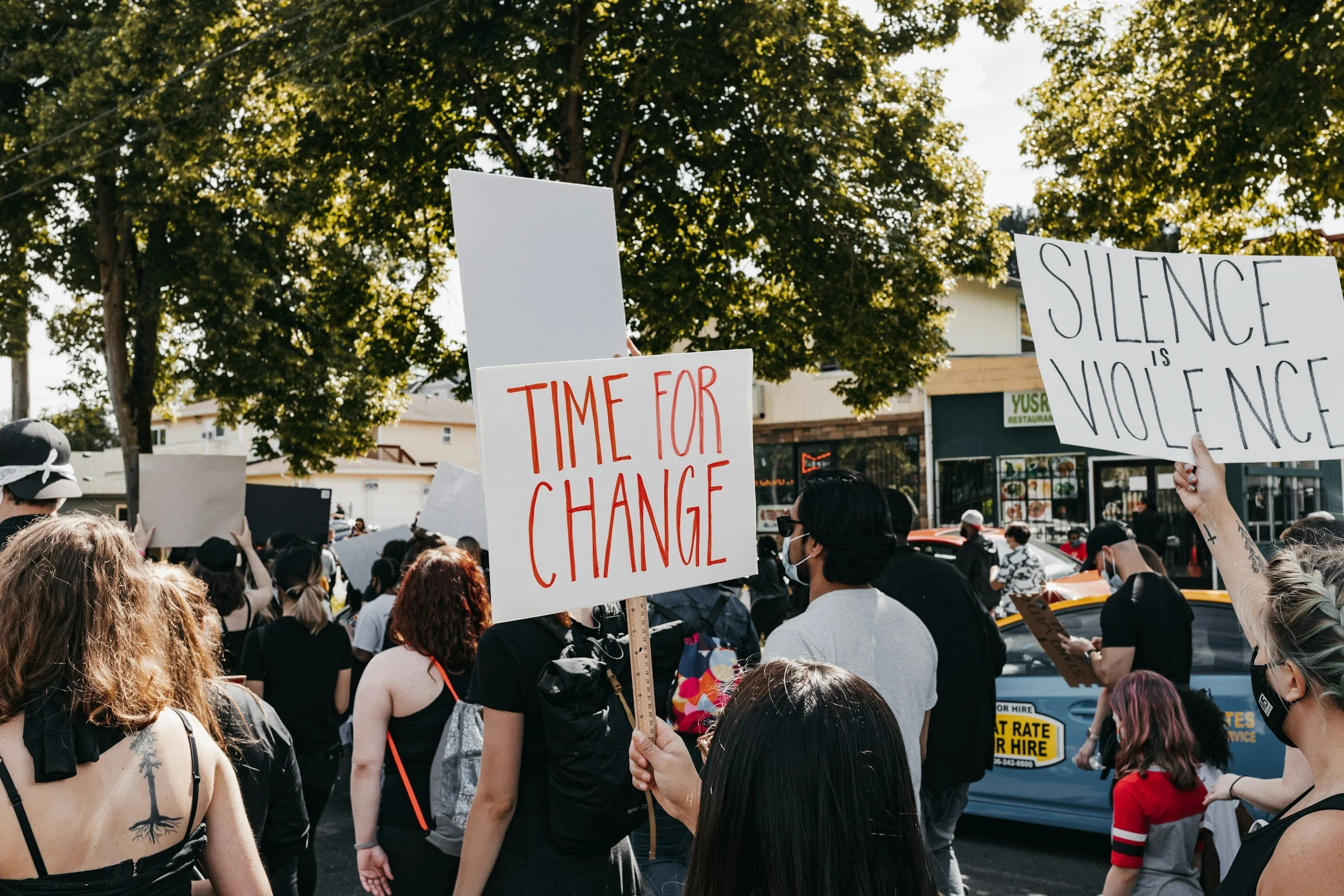
Within this edition of American Atheist, you’ll see countless other examples of resistance. Acts of defiance, of all sizes, taking place all across the nation. Those actions are protests and demonstrations, some turning out millions of Americans for the “No Kings” events—by some measures, the largest single-day civic demonstration in American history. Others are smaller or more focused on a particular injustice—protests and sit-ins outside ICE detention centers or rallies in support of USAID, the Department of Education, or other agencies gutted by Elon Musk’s DOGE.
Those public activities don’t just show that the administration’s actions are profoundly unpopular; they show the people in tiny Idaho towns or in rural communities in the Bible Belt that they aren’t alone. They’re a salve for the wounds we suffer in isolation when we convince ourselves everyone around us supports the monstrous actions we’re reading about every day.
This movement to counter the extremism and anti-democratic actions of the Christian Nationalists running and enabling the Trump Administration takes place not only on the streets, but also in organizing and building power behind the scenes. One of the core lessons of the first Trump term was the importance of coordinated planning within the broader civil rights movement to effectively slow the democratic backsliding and assaults on our collective rights.
That capacity building—forging partnerships with allies, investing in on-the-ground grassroots activists, and ensuring that our community remains resilient in the face of tremendous challenges—is at the heart of the strategic plan we unveiled last year. And that recommitment to utilize the full range of tools available to our movement is more important now than ever before.
With a Supreme Court that has repeatedly shown its willingness to hand the executive branch ever-increasing power while curtailing the leverage of advocates and Americans writ large—to say nothing of their anti-constitutional decisions eroding the Establishment Clause and further entrenching religion in government and public life—our investment in tools and capacity outside the courtroom is the only way to find any measure of success in this moment. And beyond securing policy wins (and mitigating damage), we must prioritize taking care of ourselves and each other.
That measure of self-care is foundational to a strong, sustainable community and to our ability to not just “make it through,” but to build something better in its wake. In the midst of a near constant onslaught of news and very real threats to the safety and well-being of our loved ones, our willingness to invest in ourselves is itself an act of resistance—one that pays dividends in the long term and in the immediate future. For people in our community, burnout is an insidious threat we must work to prevent.
Based on our own research from the U.S. Secular Survey, we know that atheists who live in highly religious communities or who face regular stigma in their workplace and other parts of their life already experience heightened risks of loneliness and depression. Those risks are further amplified when anti-atheist sentiment and outright displays of Christian Nationalism are endorsed by our government. Thankfully, that same research showed that membership in an atheist community at the local level, or as a member of American Atheists, helped mitigate those risks to individuals.
But today, organizations like ours are also facing grave new risks. The Trump Administration has made retribution against its perceived enemies a cornerstone of its agenda. Their attacks on law firms that litigated against the administration’s policies have largely been enjoined by courts, but some firms are preemptively caving to pressure lest they find themselves targeted next. Colleges and universities are facing a similar choice: give in to the administration’s demands, or risk the fight. Nonprofits may soon be forced to decide whether to stand in solidarity with partners or acquiesce.
Rest assured: American Atheists will stand and fight. Given our long and proud history as a national civil rights leader, we recognize an attack on any is an attack on all. For the past year, we’ve engaged in comprehensive resiliency and contingency planning that will help us navigate the remainder of this presidency and whatever comes next. We are focusing our efforts and resources where they can do the greatest good. Suffice it to say, existential threats like those we face now feel overwhelming. But I’m grateful to stand and fight with this organization, with our partners, with this community, and with you.
